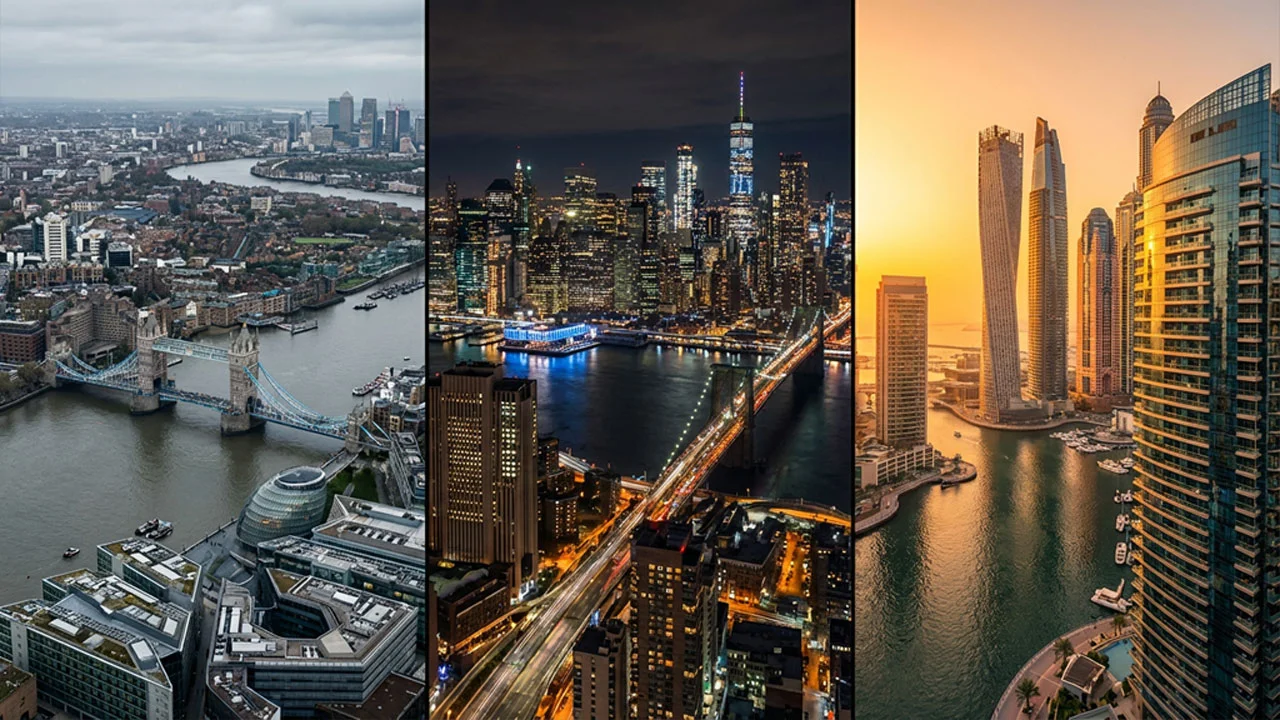
Dubai Property vs. London, Singapore & New York: 2025 Investment Comparison
The Global Real Estate Investment Landscape in 2025
The 2020s have reshaped global property investment. Rising interest rates, new stamp duty regimes, rent control legislation, and shifting tax environments have complicated returns in traditional gateway cities. Meanwhile, Dubai has emerged as a compelling alternative — not a compromise, but a genuinely competitive global destination with structural advantages that are impossible to replicate in most Western markets.
This isn't a theoretical comparison: international investors are voting with their capital. Dubai recorded a record USD 60B+ in real estate transaction value in 2024, with a substantial share coming from buyers who also own or have previously owned property in London, New York, and Singapore.
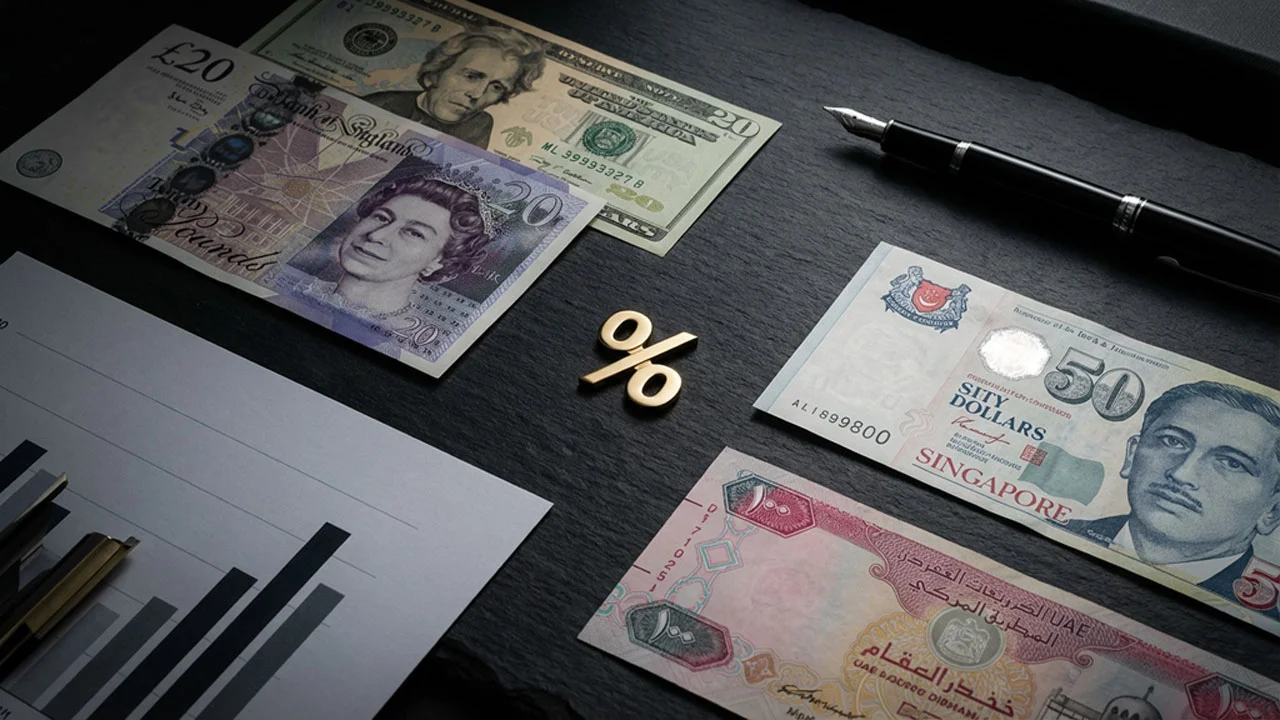
Rental Yield Comparison
Gross rental yield is the purest measure of income return:
- Dubai: 6–9% average gross yield; up to 12% in short-term rental hotspots
- London: 3–4.5% gross yield in prime central London; slightly higher in outer zones
- Singapore: 2.5–4% gross yield in core central regions; government cooling measures constrain both prices and demand
- New York: 3–4.5% gross yield in Manhattan; higher in outer boroughs
Dubai's gross yield advantage is significant — but the net yield advantage is even more pronounced. In London, investors pay 20–45% income tax on rental profits. In New York, federal + state + city taxes can consume 45–50% of rental income. In Singapore, rental income is taxed at marginal income tax rates. In Dubai: zero. What you earn, you keep.
Purchase Costs and Transaction Taxes
- Dubai: 4% DLD transfer fee + ~2% agent commission = ~6% total. No stamp duty, no VAT on residential property.
- London: Stamp Duty Land Tax (SDLT) for foreign buyers goes up to 17% (3% surcharge for additional dwelling + 2% non-resident surcharge) on properties over £1.5M. A £2M property can cost £340,000+ in stamp duty alone.
- Singapore: Additional Buyer's Stamp Duty (ABSD) for foreign buyers is 60% of purchase price as of 2023 — effectively shutting out most international investors.
- New York: Mansion Tax (1–3.9%), NYC Transfer Tax (1–1.825%), NYS Transfer Tax (0.4%), and optional flip tax in co-ops. Buying costs can reach 6–8% on a high-value purchase.
Dubai's transaction cost structure is among the lowest of any major global property market — and far below London or Singapore for foreign buyers.
Capital Gains Tax
- Dubai: Zero. No capital gains tax on property profits, ever.
- London: Non-UK residents pay 24% CGT on residential property gains (as of 2024).
- Singapore: No CGT in Singapore, but the Seller's Stamp Duty (SSD) effectively penalises short-term sales at up to 12%.
- New York: Short-term capital gains taxed as ordinary income (up to ~52% combined federal + state + city). Long-term gains taxed at up to ~35% in New York City.
For investors targeting capital appreciation — which is the dominant strategy in Dubai — the absence of CGT represents the most significant structural advantage Dubai holds over every other major gateway city.
"When you run a 10-year after-tax DCF model comparing Dubai, London, and New York, Dubai wins emphatically. The zero-tax environment on both rental income and capital gains is simply not replicable anywhere else in a Tier 1 city."