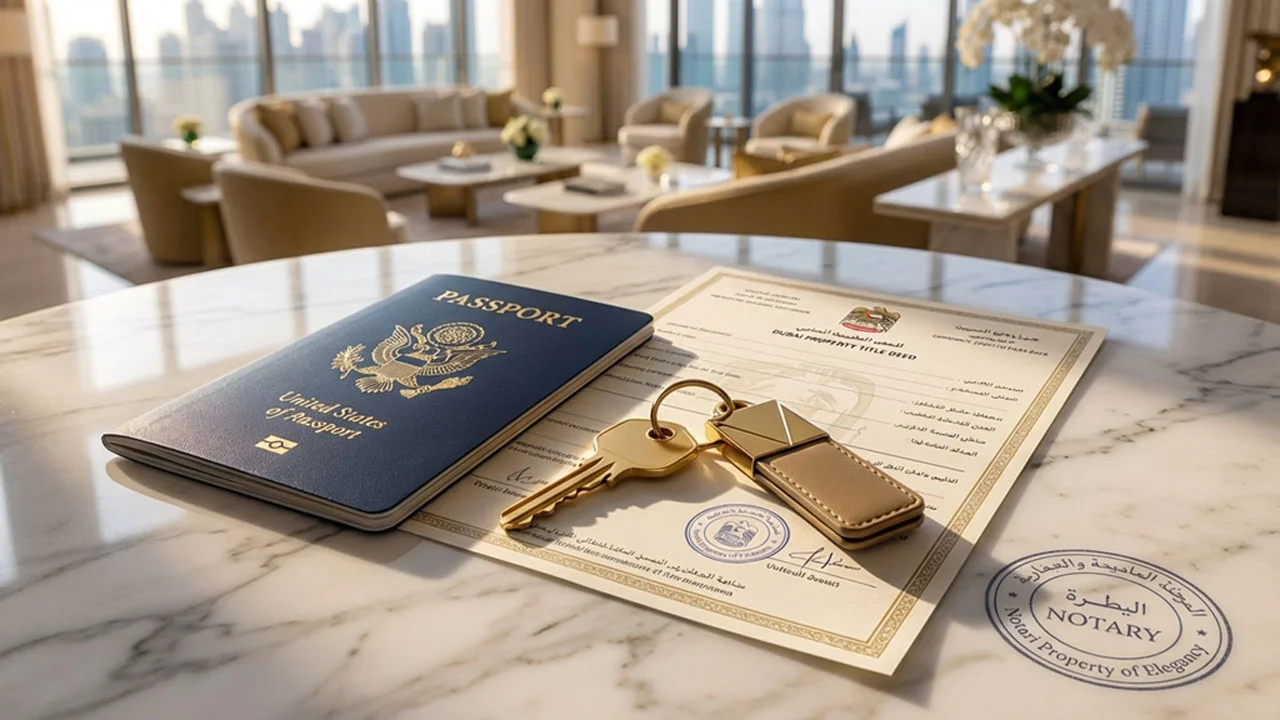
How to Buy Property in Dubai as a Foreigner: 2025 Step-by-Step Guide
Can Foreigners Buy Property in Dubai?
Yes — and with fewer restrictions than almost anywhere else in the world. Since 2002, the UAE government has allowed foreign nationals to purchase freehold property in designated freehold zones across Dubai. There are no nationality restrictions, no minimum income requirements, and no mandatory residency requirement to own property. Any person from any country can legally own Dubai real estate in their name.
Freehold ownership means exactly what it sounds like: you own the property outright, indefinitely, with full rights to sell, rent, renovate, or pass it on to heirs. This is different from leasehold arrangements common in some other markets, where you only own the property for a set number of years before it reverts to the landowner.
Step 1: Define Your Budget and Investment Strategy
Before looking at a single listing, clarify your financial position. Key questions to answer:
- What is my total budget (including fees and costs beyond the purchase price)?
- Am I buying with cash or financing through a mortgage?
- What is my investment goal — capital appreciation, rental income, personal use, or Golden Visa eligibility?
- What is my investment timeline — short (1–3 years), medium (3–7 years), or long-term (7+ years)?
For mortgage buyers: UAE banks offer home loan financing to non-resident foreigners, typically at 50–60% LTV (loan-to-value), meaning you need a 40–50% deposit. UAE residents can access up to 80% LTV. Interest rates in 2025 are in the 4.5–6% range on floating products, with some fixed-rate deals available. Mortgage pre-approval from a UAE bank or international lender helps establish a firm budget before you start viewing.
Step 2: Find a RERA-Registered Real Estate Agent
Dubai's real estate market is regulated by RERA (Real Estate Regulatory Authority), which requires all practicing brokers to hold a valid RERA license (known as a BRN — Broker Registration Number). Always verify your agent's BRN before signing anything. The DLD's REST app and the RERA portal allow instant verification.
A good agent in Dubai will:
- Provide market data and comparable transactions to support pricing discussions
- Advise on areas, developers, and building quality based on your criteria
- Facilitate viewings and negotiate on your behalf
- Guide you through the paperwork process including MOU, SPA, and title deed transfer
At Woven, all of our brokers are RERA-licensed and work exclusively in Dubai's premium residential market, ensuring you receive market-leading advice at every stage.
Step 3: Make an Offer and Sign the MOU (Form F)
Once you've identified a property, you make an offer. If accepted, both parties sign a Memorandum of Understanding (MOU) — known in Dubai as Form F — which is the official RERA contract template. At this stage, you'll pay a 10% security deposit (held by the agent or in an escrow account) which is forfeited if you pull out without valid reason, or returned doubled if the seller pulls out.
The MOU outlines the agreed price, transfer date, and conditions. You then have typically 30–60 days to complete the transfer.
Step 4: Due Diligence
Before completing, conduct due diligence: verify the title deed is clean (no outstanding mortgages, liens, or disputes), confirm service charge accounts are settled, and check community master plans if buying near future developments that could affect views or amenities. Your agent and a property lawyer can assist.
Step 5: Transfer at the Dubai Land Department
The final transfer happens at a DLD office or via a Trustee Office (authorised DLD transfer offices across Dubai). Both buyer and seller (or their representatives with a Power of Attorney) attend to sign the transfer documents and pay the transfer fees. The DLD issues a new Title Deed in your name on the same day. You are now the legal owner.
"The entire purchase process in Dubai — from offer to title deed — can be completed in under 30 days with the right advisors. That efficiency is unmatched among global property markets."